
Expert Stove & Oven Repair in Sudbury, MA
Appliance Repair for Homes & Businesses in Sudbury, Maynard, Stow, Concord, Massachusetts and Nearby Areas
Stove and Oven Repair in Sudbury, Massachusetts, Appliance Repair Pros
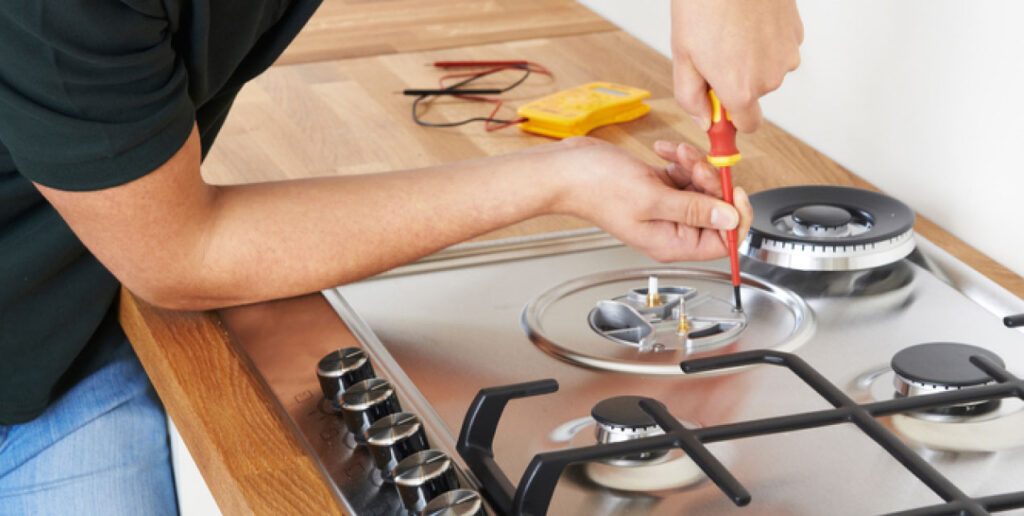
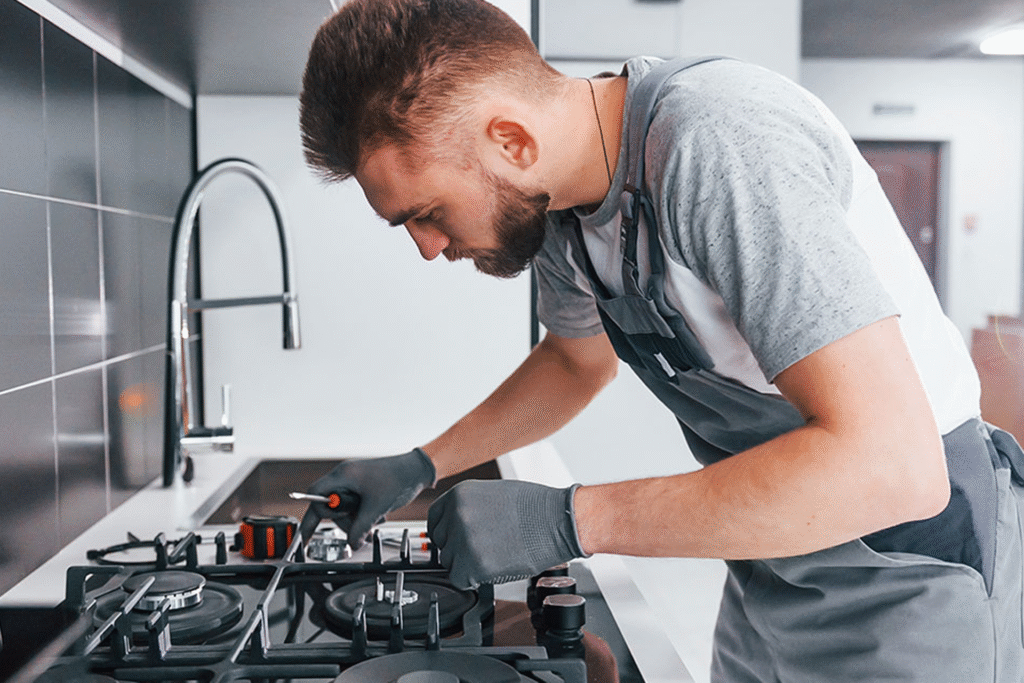
Home cooked meals are the heart of family life, especially here in Sudbury where we value our time around the dinner table. At Appliance Repair Pros, we provide specialized stove and oven repair in Sudbury, Massachusetts, as well as the surrounding communities of Maynard, Stow, and Concord. We know that a broken range disrupts your meal planning and can even ruin a special holiday gathering. Whether your gas burner refuses to light, your electric oven is not maintaining temperature, or your glass cooktop is showing an error code, we have the technical skills to fix it safely. We are familiar with the mix of appliances in the area, from pro-style dual fuel ranges in North Sudbury kitchens to reliable electric stoves in local condos.
Safety is our primary concern when working with cooking appliances. Our technicians are trained to handle gas connections and high voltage electrical circuits with extreme care. We focus on accurate diagnostics to ensure your appliance is safe to use and cooks evenly. We treat your home with respect, using protective mats for our tools and leaving your kitchen as clean as we found it. You can count on us for dependable scheduling and clear communication throughout the repair process.
Contact us today to get your kitchen back in working order.
Stove and Oven Repair Services in Sudbury
Cooking appliances come in many configurations, and we are equipped to service them all. From calibrating temperature settings to replacing complex electronic control boards, we ensure your equipment performs exactly as the manufacturer intended.
Cooking systems we work on:
- Gas ranges and cooktops
- Electric freestanding stoves
- Wall ovens (single and double)
- Induction cooktops
- Dual fuel ranges (gas cooktop, electric oven)
- Slide in ranges
- Pro style ranges (Wolf, Viking, Thermador, etc.)
What makes stove and oven repair tricky:
- Dangerous combination of gas lines and electrical igniters
- High voltage (240V) requirements for electric units
- Calibrating temperature sensors for precise baking
- Fragile glass ceramic tops that require careful handling
- Hidden thermal fuses located in difficult to reach back panels
- Complex door lock assemblies for self cleaning cycles
Common Oven and Stove Problems We Fix
When a stove fails, the symptoms are usually immediate. However, diagnosing whether the issue is a simple igniter or a complex control board requires professional testing. Here are the most common issues we solve for homeowners in Sudbury.
Gas Burner Clicks But Will Not Light
This is a frequent issue with gas cooktops. You hear the clicking sound of the spark electrode, but the flame never catches, leaving you smelling gas without heat.
Likely causes:
- Clogged burner ports preventing gas flow
- Misaligned burner cap
- Defective spark module
- Cracked ceramic spark electrode
- Moisture in the burner assembly (often after a spill)
How we diagnose it:
We check the alignment of the burner caps and inspect the electrode for cracks. We test the spark module to ensure it is sending high voltage to the igniter. We also verify that gas is flowing correctly to the valve.
What you can do right now:
Remove the burner cap and check for any food debris blocking the gas ports. If you recently cleaned the stove, let it dry out for a few hours, as moisture can disrupt the spark.
Oven Is Not Heating
You set the temperature for dinner, but 20 minutes later the oven is still cold. This can happen in both gas and electric units but for different reasons.
Likely causes:
- Weak or broken gas igniter (glow bar)
- Burned out electric bake element
- Tripped thermal safety fuse
- Control board relay failure
- Loose wire connection
How we diagnose it:
On gas ovens, we observe the glow bar to see if it draws enough amperage to open the gas safety valve. On electric ovens, we test the element for continuity and check the power supply at the terminal block.
What you can do right now:
Check your circuit breaker. Electric ovens require two breakers (240V); sometimes only one trips, leaving the lights on but no heat. For gas ovens, check if the broiler works, which helps isolate the issue to the bake igniter.
Oven Bakes Unevenly
If your cookies are burning on one side or cakes are falling in the middle, your oven is struggling with heat distribution or regulation.
Likely causes:
- Failed convection fan motor
- Temperature sensor (thermistor) out of spec
- Oven calibration drift
- Door gasket leaking heat
- Blocked airflow vents
How we diagnose it:
We measure the resistance of the temperature sensor to see if it is reading accurately. We inspect the door seal for tears that let cold air in. We also test the convection fan to ensure it is circulating air properly.
What you can do right now:
Make sure you are not overcrowding the oven racks, which restricts airflow. Check that the oven door is closing fully and not popping open slightly.
Glass Cooktop Burner Stays On High
On an electric glass top stove, a burner that stays red hot regardless of the knob setting is a dangerous fire hazard. It means the element is stuck on full power.
Likely causes:
- Faulty infinite switch
- Short in the surface element
- Control board relay stuck closed (on touch controls)
How we diagnose it:
We test the infinite switch contacts to see if they are welded together. We also inspect the wiring harness for signs of overheating or melting.
What you can do right now:
Turn off the circuit breaker to the stove immediately to stop the heat. Do not use that burner until it is repaired.
Oven Door Is Stuck Shut
If your oven door locked for a self cleaning cycle and refuses to open afterwards, your dinner plans are stuck inside the appliance.
Likely causes:
- Defective door lock motor assembly
- Control board not sending the unlock signal
- High limit thermostat tripped during cleaning
- Warped door latch
How we diagnose it:
We access the lock assembly, often from the back or top of the unit, to manually release the latch. We then test the lock motor and switches to prevent it from happening again.
What you can do right now:
Allow the oven to cool down completely for at least an hour. Try canceling the cycle on the display. Do not force the door open, as this can break the glass or the latch mechanism.
Gas Smell When Using Stove
Smelling gas is a serious safety concern. It typically indicates a leak in the system or incomplete combustion.
Likely causes:
- Leaking gas valve
- Loose connection at the pressure regulator
- Igniter taking too long to light the gas
- Cracked gas supply line
How we diagnose it:
We use electronic gas detectors and leak detection solution to find the source of the escape. We check the ignition time to ensure gas isn’t building up before the flame catches.
What you can do right now:
Turn off the gas supply valve behind the stove immediately. Open windows to ventilate the area. Do not use the appliance until a professional has inspected it.
Induction Cooktop Noise or Error
Induction cooking is fast and efficient, but these units are packed with electronics. Buzzing noises or flashing “E” codes prevent you from cooking.
Likely causes:
- Incompatible cookware
- Generator board failure
- Cooling fan failure
- Touch control user interface fault
How we diagnose it:
We test the magnets and generator boards. We verify that the cooling fans are running, as induction units generate significant internal heat that must be dissipated.
What you can do right now:
Verify that your pan is magnetic and flat. Reset the breaker for 60 seconds to reboot the electronics.
Sparking Inside the Oven
Seeing sparks inside the oven cavity is alarming and usually indicates an electrical short near the heating element.
Likely causes:
- Arcing heating element (about to burn out)
- Exposed wiring touching the metal chassis
- High voltage short in the convection motor
How we diagnose it:
We inspect the bake and broil elements for blistering or breaks. We check the internal wiring insulation for damage.
What you can do right now:
Turn off the oven and the breaker. Do not use the oven until the element is replaced.
Safety Notes for Stove and Oven Issues
Stoves involve high heat, combustible gas, and high voltage electricity. Misdiagnosis or improper repair can lead to fire, carbon monoxide poisoning, or electric shock.
Safety Checklist:
- If you smell rotten eggs (Gas) do this first: Turn off the gas shutoff valve behind the unit. Open windows. Do not turn light switches on or off. Evacuate the home and call your gas company or fire department if the smell is strong.
- If you see flames escaping the oven door do this first: Keep the door closed to starve the fire of oxygen. Turn off the breaker or gas supply if safe to do so. Call the fire department.
- If you have a shattered glass cooktop do this first: Turn off the breaker. Do not try to cook on a cracked top, as liquids can seep into the high voltage electronics below causing a shock hazard.
- If the unit tips forward when opening the door do this first: This means the anti tip bracket was not installed. This is a major crushing hazard for children. Stop using the oven until it is secured to the floor or wall.
Brands We Service for Stove and Oven Repair in Sudbury
We service a diverse range of cooking appliances found in Sudbury homes, from standard electric ranges to high performance gas equipment.
Whirlpool Family and Similar Designs
Whirlpool, Maytag, KitchenAid, and Amana ranges are staples in many local kitchens. They are generally robust but can suffer from control board issues and igniter failures over time.
Common issues we see with these models:
- “Feature not available” errors on control boards
- Gas igniters glowing but not lighting
- AquaLift self clean cycles not cleaning well
- Infinite switches failing on electric cooktops
We stock many common igniters and elements for these brands to complete repairs quickly.
GE Family
GE, GE Profile, and Cafe series ranges are very popular. The newer models often feature dual ovens and specialized burner configurations. They are known for specific sensor issues and control faults.
Common issues we see with these models:
- Oven sensor resistance drifting (causing burned food)
- Control board keypad ribbons failing
- Convection fans becoming noisy
- Meat probe jacks shorting out
We are experienced in calibrating GE ovens to ensure the temperature matches the set point.
Samsung and LG
These brands offer sleek designs and smart features. However, their internal wiring and board designs are complex. Disassembling a Samsung glass top range to access the burners requires a specific procedure.
Common issues we see with these models:
- Igniters cracking on gas cooktops
- Relay boards failing causing heat issues
- Knob stems breaking
- Uneven baking in convection modes
We stay updated on the technical bulletins for these high tech units to resolve error codes effectively.
Frigidaire and Electrolux
Frigidaire is often found in starter homes and condos in the area. They are relatively simple to work on but frequently experience issues with bake elements and control overlays.
Common issues we see with these models:
- Bake element blistering and burning out
- Touchpad overlays peeling or becoming unresponsive
- F1 error codes indicating control failure
- Leveling legs seizing up
We can often replace the heating elements in these units very efficiently.
Premium Brands (Wolf, Thermador, Bosch)
In many of the custom homes in Sudbury and Concord, we see professional style ranges. These units use commercial grade components and require a higher level of precision to repair.
Common issues we see with these models:
- Spark module failures on sealed burners
- Thermostat calibration on all gas units
- Simmer burner adjustments
- Door hinge tension issues
We treat these premium appliances with the care they deserve, ensuring authentic parts are used to maintain their performance.
Common Oven and Stove Warning Signs
Your oven will often tell you something is wrong before it quits completely. Paying attention to these signs can save you from a dinner disaster.
- F0 or F1 Code: Usually points to a failed electronic control board or a stuck key on the touchpad.
- F3 or F4 Code: Often indicates a problem with the temperature sensor or the wiring connected to it.
- F9 Code: Typically relates to the door lock assembly or the latch switches.
- Long Preheating: If your gas oven takes more than 10 minutes to reach 350 degrees, the igniter is likely weak.
- Soot on Pots: If your gas cooktop is leaving black soot on cookware, the flame is not burning cleanly and needs adjustment.
- Clicking Continues: If a burner clicks after the flame is lit, the system isn’t detecting the flame (common with wet burners).
Maintenance Tips for Stove Owners in Sudbury
Keeping your range in top shape requires regular attention. Here are a few tips to extend the life of your appliance.
Clean Spills Immediately
Acidic spills like tomato sauce or lemon juice can corrode enamel and clog gas ports. Once the unit cools, wipe them up. This is vital for protecting the igniters on gas stoves.
Avoid Foil on the Bottom
Never line the bottom of your oven with aluminum foil. In gas ovens, it blocks airflow and causes carbon monoxide buildup. In electric ovens, it can fuse to the heating element or trap heat, warping the enamel.
Check the Seal
Periodically inspect the fiberglass or rubber gasket around the oven door. If it is torn or stiff, heat will escape, causing the oven to work harder and potentially damaging the knobs or control panel above.
Clean the Hood Filter
A blocked range hood filter restricts airflow, leading to grease buildup on your kitchen ceiling and cabinets. Clean metal mesh filters in the dishwasher.
Gentle on the Glass
For glass cooktops, use a specialized razor scraper and cream cleaner to remove burnt on food. Avoid using cast iron pans that can scratch the surface or heavy pots that can crack the glass if dropped.
Exercise the Self Clean with Caution
We recommend running the self clean cycle only when you can be home to monitor it, and never right before a big holiday cooking event. The extreme heat can sometimes stress older components and cause them to fail.
Service Area for Stove and Oven Repair in and Around Sudbury Massachusetts
We are your local appliance experts, serving the Sudbury area and the surrounding towns. We are familiar with the unique challenges of local homes, from the gas line setups in historic properties to the electrical requirements of modern condos.
Communities we serve:
- Sudbury
- Maynard
- Stow
- Concord
- Wayland
- Acton
- Framingham (North)
- Hudson
Zip codes we serve: 01776, 01754, 01775, 01742, 01778, 01749, 01720
Frequently Asked Questions
Is it worth repairing an older stove?
Often, yes. Older stoves, especially gas models, are built with simple, durable components. If the issue is an igniter or a sensor, a repair is much more cost effective than buying a new unit. However, if a control board is obsolete or the oven cavity has rusted through, replacement might be necessary. We can provide an honest assessment.
Why does my gas oven smell like gas when I turn it on?
A faint smell of gas right when you turn the oven on is normal as the valve opens before ignition. However, if the smell persists for more than a few seconds or you smell it while cooking, you may have a weak igniter that isn’t lighting the gas fast enough, or a leak. This requires professional attention.
Can you replace just the glass on my cooktop?
Yes, if the glass ceramic top is cracked, it can be replaced. However, the glass top assembly is often the most expensive part of the appliance. We can check the availability and price of the part to help you decide if it makes financial sense compared to a new stove.
How long does it take to fix an oven that won’t heat?
Most heating issues can be resolved in a single visit. We carry common bake elements, igniters, and thermal fuses in our trucks. If the problem is a specific electronic control board, we may need to order the part and return to install it.
My induction cooktop is making a buzzing noise, is that normal?
A low hum or buzz is normal for induction cooking, especially at high power settings. It is caused by the magnetic energy vibrating the cookware. However, if the noise is loud or rattling, it could indicate a problem with the cooling fan or a loose internal component.
Do you work on dual fuel ranges?
Yes, we service dual fuel ranges which combine a gas cooktop with an electric oven. These are common in high end kitchens in Sudbury and Concord. We have the qualifications to handle both the gas and electrical systems safely.
Why is my self clean cycle not working?
The self clean cycle requires the door to lock securely. If the lock motor is failing or the door switch is misaligned, the cycle won’t start. It can also be caused by a failed thermal safety switch.
What should I do if my burner flame is yellow instead of blue?
A yellow flame indicates incomplete combustion, which can produce carbon monoxide and soot. It usually means the air shutter needs adjustment or the burner ports are clogged. This should be adjusted by a technician to ensure safe operation.
Do you offer stove repair near me?
Yes, if you live in Sudbury, Maynard, Stow, or Concord, we are your local repair team. We can schedule a visit to diagnose your stove or oven quickly.
Can you fix an oven door that doesn’t close all the way?
Yes, this is usually caused by worn out hinges. We can replace the hinges to ensure the door seals tightly, which improves baking performance and prevents heat damage to the knobs.
Conclusion
At Appliance Repair Pros, we know that a working stove is essential for your home. Whether you are baking bread in Stow, frying dinner in Maynard, or roasting a chicken in Sudbury, we are here to ensure your equipment is safe and reliable. Our commitment to meticulous diagnostics and local service makes us the trusted choice for stove and oven repair. Let us help you get back to cooking with confidence.
Contact us today to schedule your service.